Interviewee stories and reminiscences by former residents provide the backbone of the Jasper Place Community History Project. They evoke growing up and living in the freestanding Jasper Place that preceded its incorporation into the City of Edmonton.
There were 9,139 residents when the Town of Jasper Place was incorporated on November 6th, 1950. The Town Council created new housing subdivisions, and offered lower taxes than Edmonton. As a result, increased to 13,600 residents in 1954, and Jasper Place became the biggest “town” in Alberta, perhaps all of Canada. That number leapt to 37,429 on August 17, 1964 when the town amalgamated into the City of Edmonton. Here we present a few glimpses into the everyday lives of children and teenagers of that period...
School:
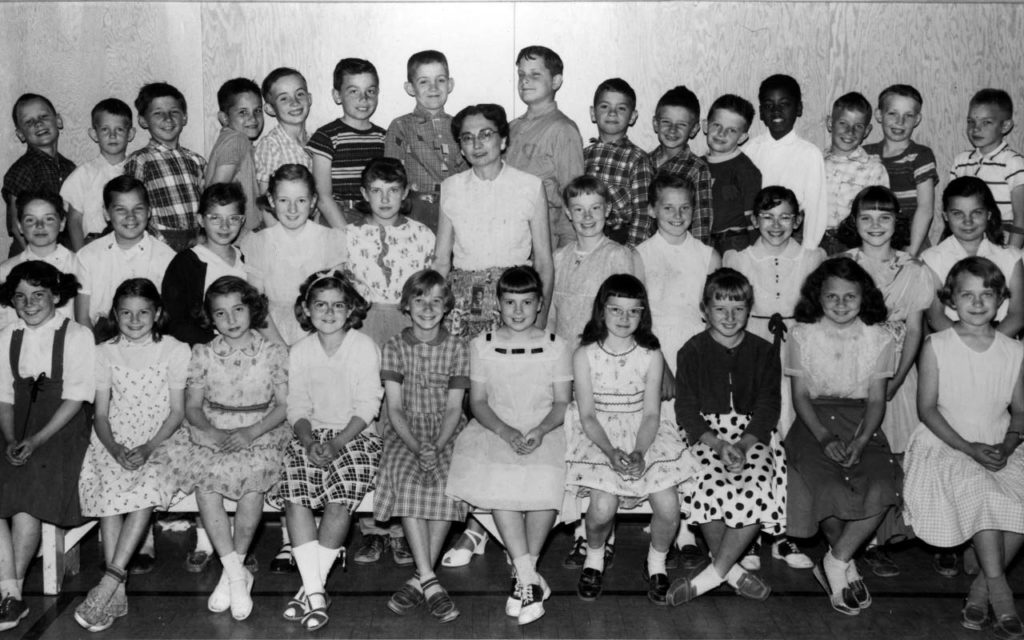
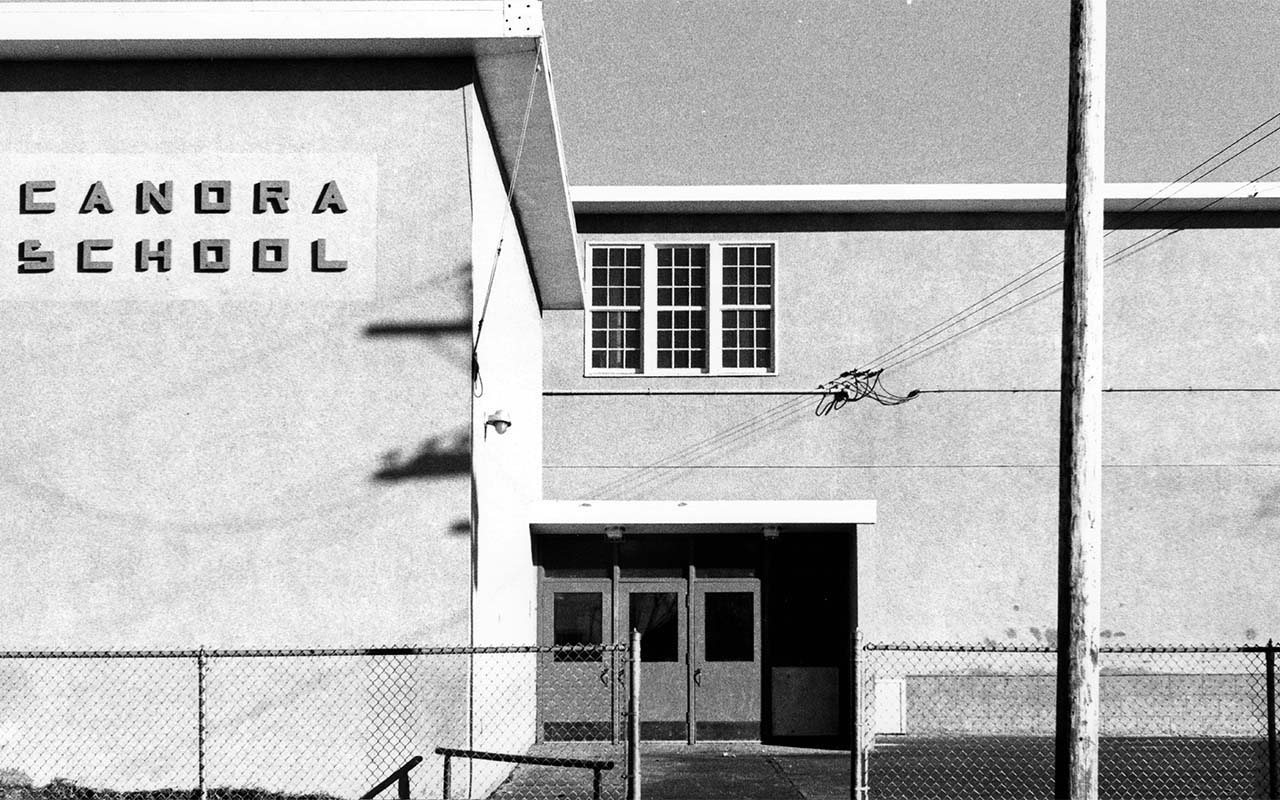
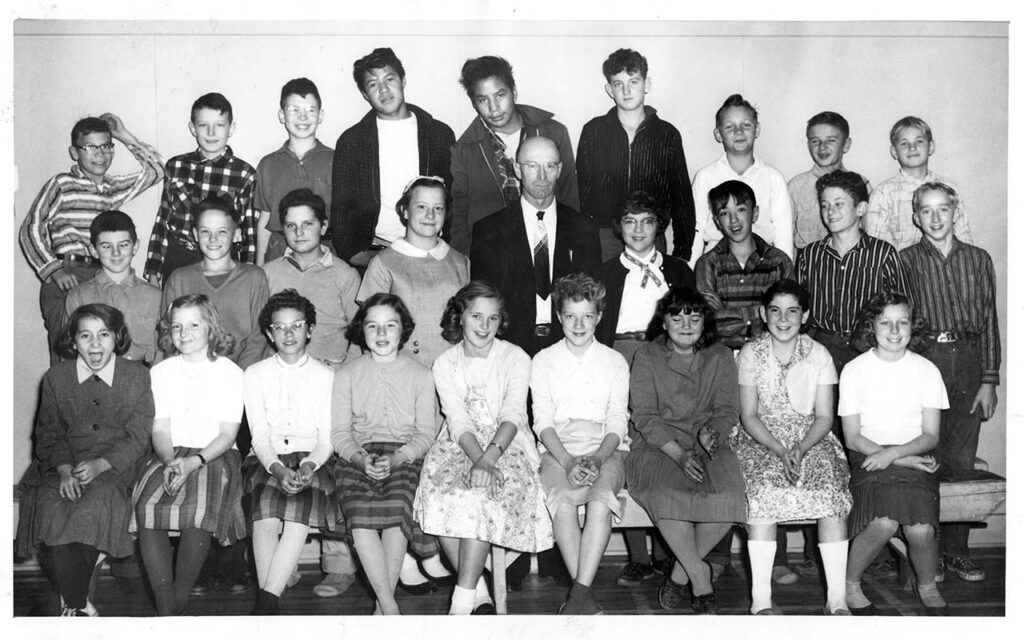
- Central School couldn’t accommodate the burgeoning population. So, between 1948 and 1955, 10 schools were added to the community, including Canora School at 15450-105 St., built in 1948, and the first Brightview School in 1953 at 151 St. and 105 Ave. That school was destroyed in an explosion and fire in May, 1965.
Shopping:
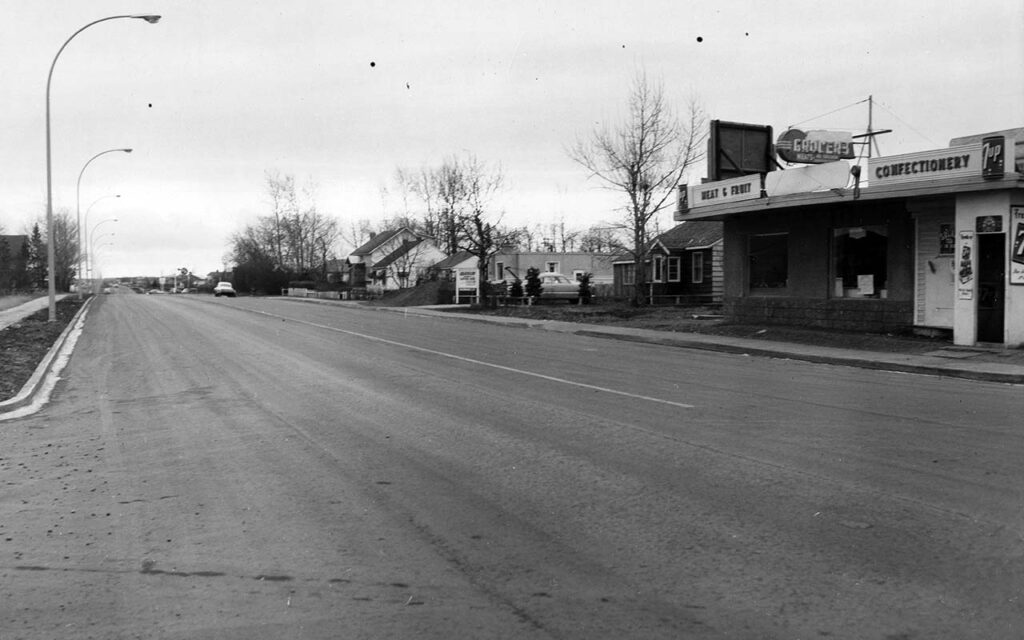
- Neighbourhood corner stores were everywhere for necessities like candy and pop, or kids went shopping with their parents.
Barry Touchings:“I can remember these wooden bins with glass fronts on them,where there would be various kinds of candy. And we used to go there, and whatever they were – jujubes or something like that – and they would scoop them out with, in my recollection, a wooden scoop, and put it in a bag for you. So it was, like, bulk candy.”
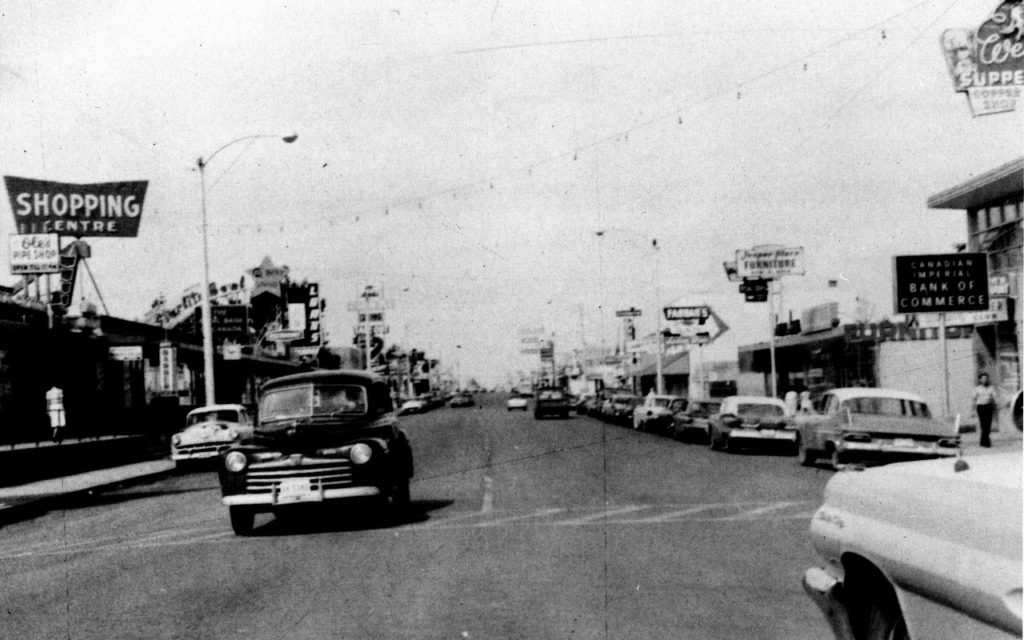
Joe:“Best of all, I remember going shopping on Saturdays with the parents along Stony Plain Road (better known as “The Strip” back then).”
Eveline Garneau:“Every Saturday, my Dad would drop us off at Safeway on 150 St. Mom would get a cart and throw all 4 of us kids into it. Before going into Safeway, she would take us up and down Stony Plain Road shopping, finishing with Safeway for groceries. Dad knew to pick us up after a couple of hours.”
Fun:
- Children had the run of the town, playing outside everywhere with their friends. They got around by bike, on foot, or took a Diamond Bus downtown.
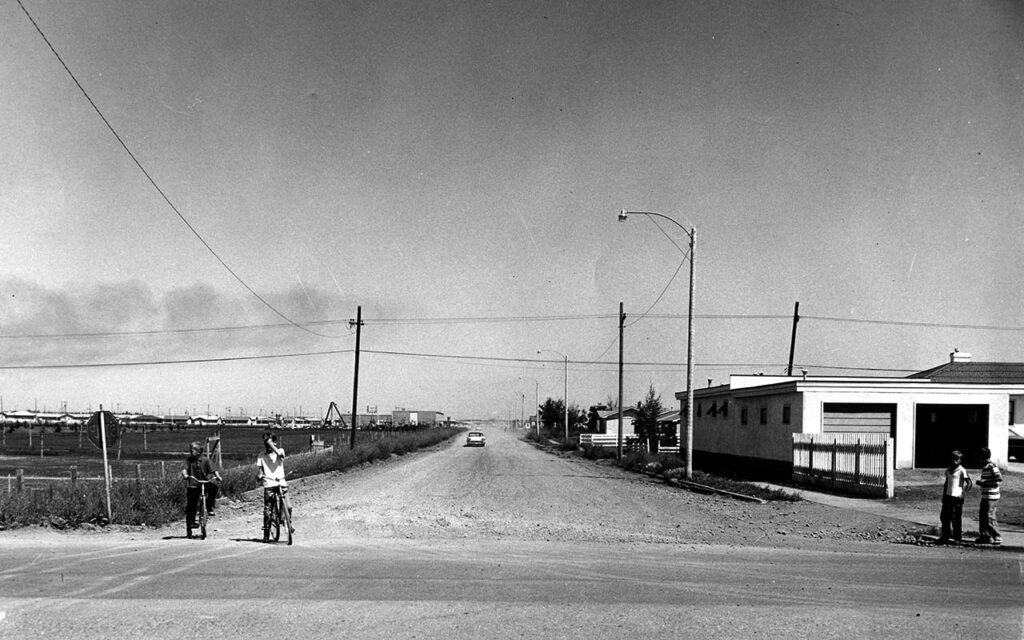
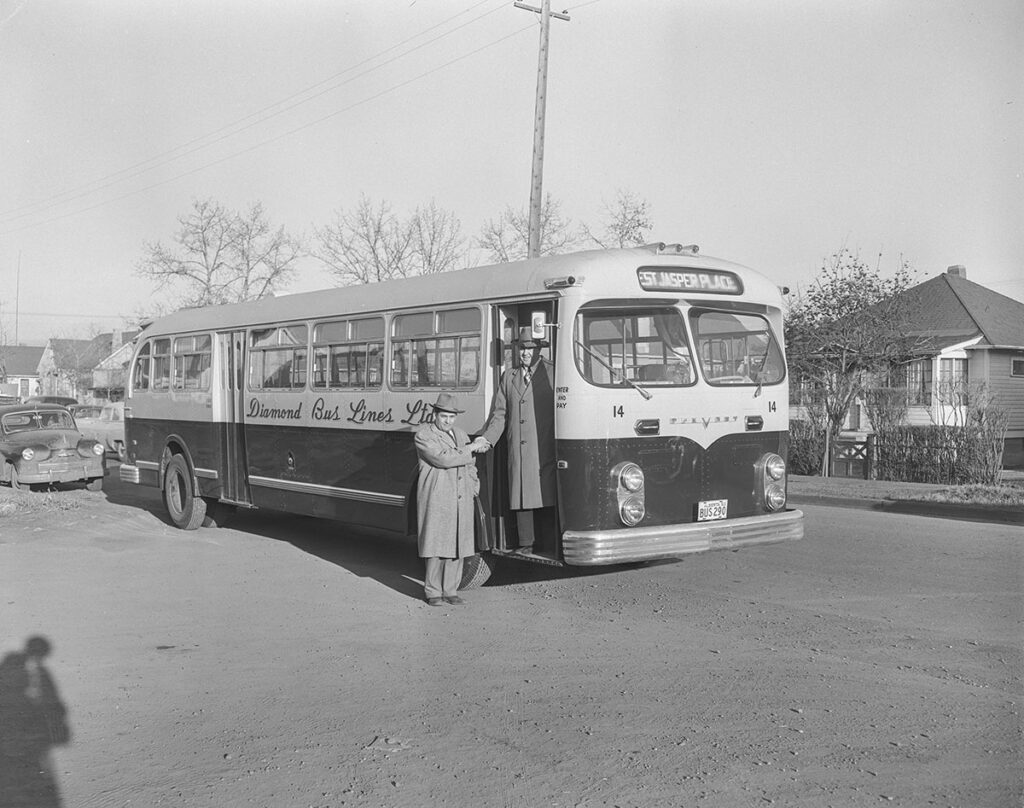
Chrystia Chomiak: “In Jasper Place you had wooden sidewalks, you had gravel roads, so in the muddy season if we caught the Diamond bus we’d go out in our rubber boots and get on with them, because you couldn’t walk in your shoes. We’d go to Edmonton on the Diamond bus. We had bags, and we’d put our boots in the bag and change into our shoes, and that’s how we were downtown.”
Maxine Hébert: “At 9 o’clock at night the town hall siren would blast and all the kids had to be inside. We lived in terror that we would be caught playing outside after curfew. In those days, we didn’t have to worry about being abducted because no one could afford another mouth to feed.
Barrie Touchings: “If we could get a quarter, we could go to the movie theatre and we could get a popcorn and a pop.
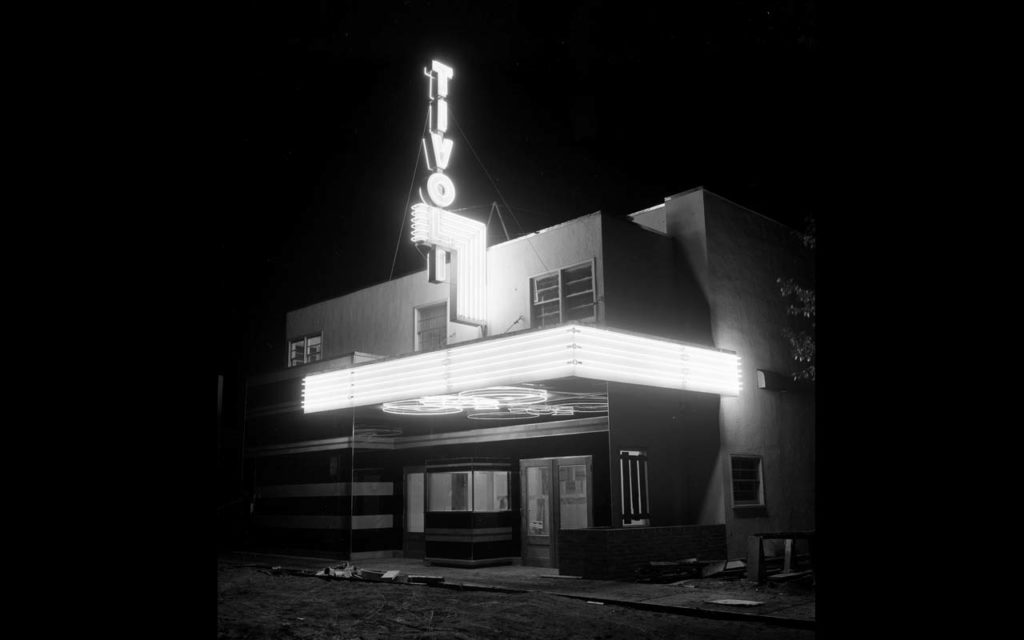
- They went to Saturday matinees at the Jasper Cinema / Theatre on 156 Street or the Tivoli on 149th, or families drove to the Starlite Drive-In. Favourites included Ben Hur, High Noon, Shane, Love Me Tender, Where the Red Fern Grows…
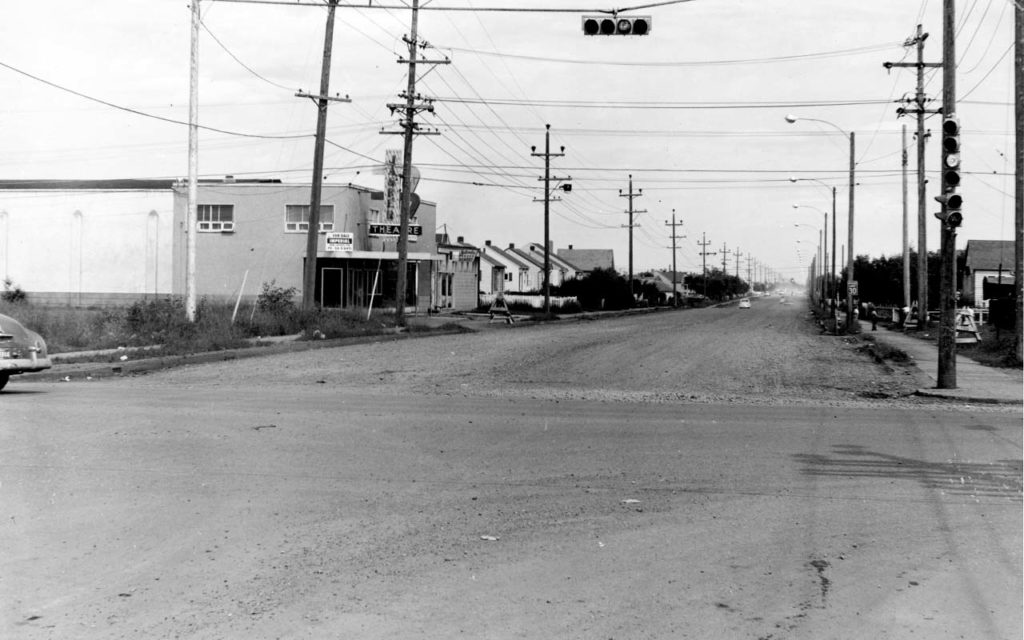
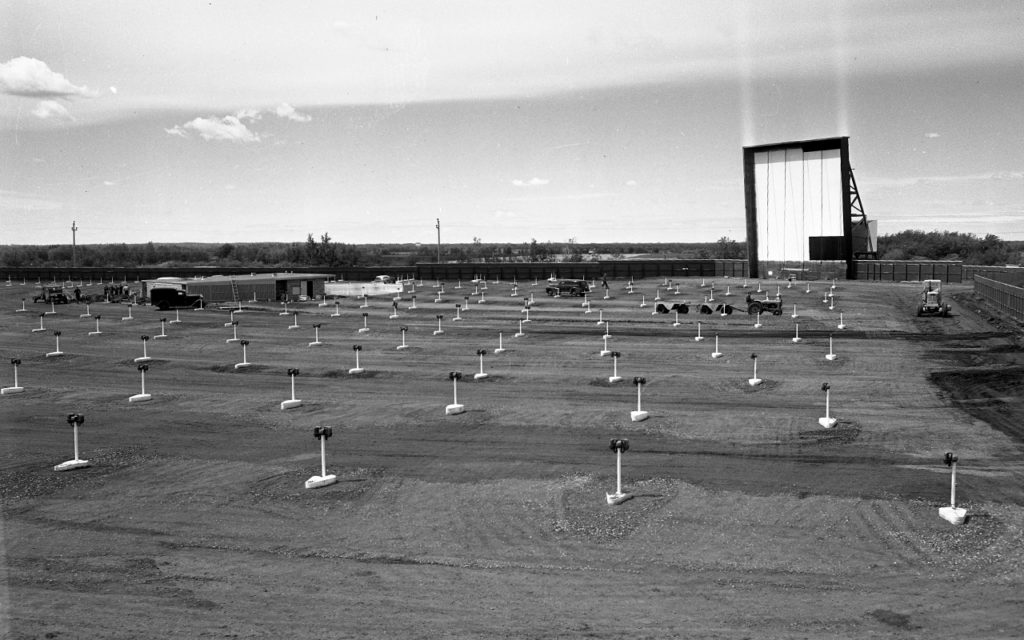
Courtesy of the City of Edmonton Archives, EA-600-2489a. Photographer: Eric Bland, Edmonton Bulletin.
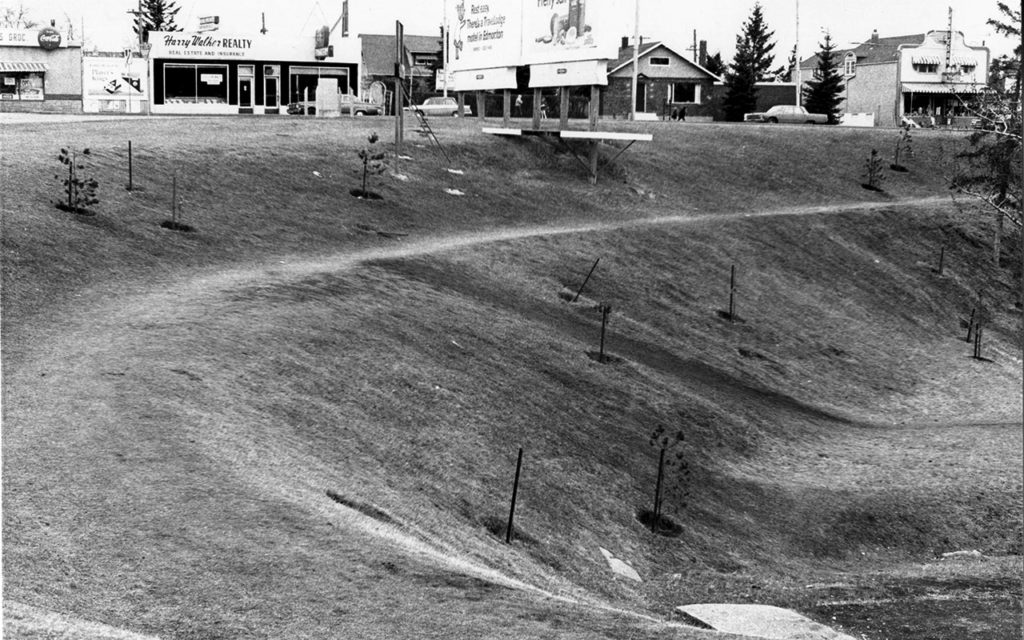
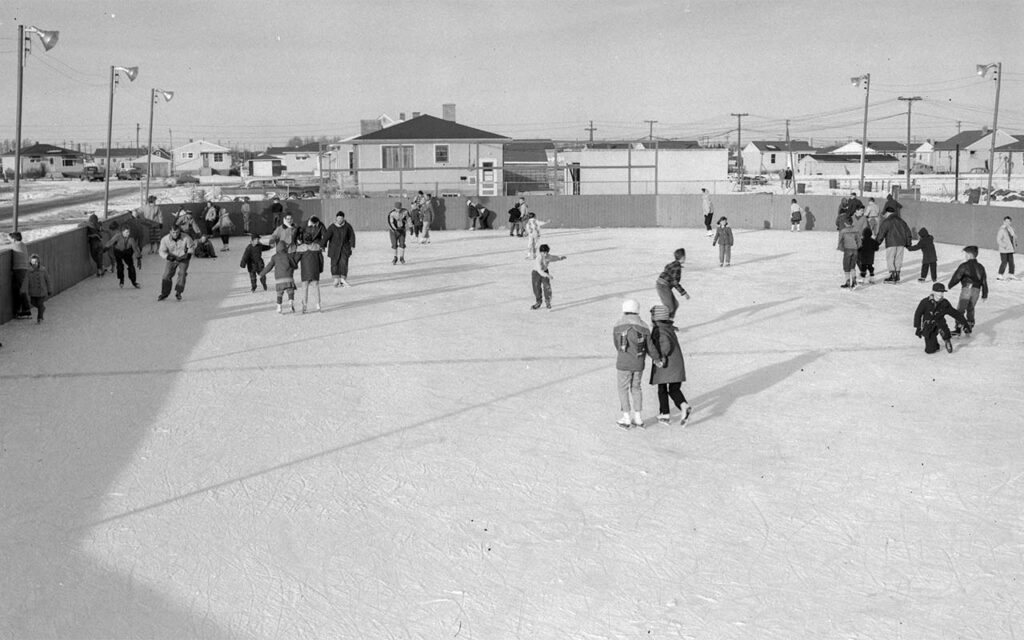
- In winter, they went sledding on MacKinnon Ravine’s slopes on a piece of cardboard from a local shop; or skated in community rinks; or went bumper riding.
Donna: “After sledding season, that ravine was paved with cardboard. We spent hours and hours there. I remember the annual fair on the Case land on 151st Street and 100th Avenue which I attended in 1956 or 1957.“
Joanne Lethbridge Pompana: “Anyway, the snow was packed down on some of the roads and, if a car was going not too fast, we’d get on the bumper. Most of them only had one exhaust pipe back then. Those gray moccasins – we got them from Kmart or Army & Navy, I can’t remember – everybody had them, and they slid really well.“
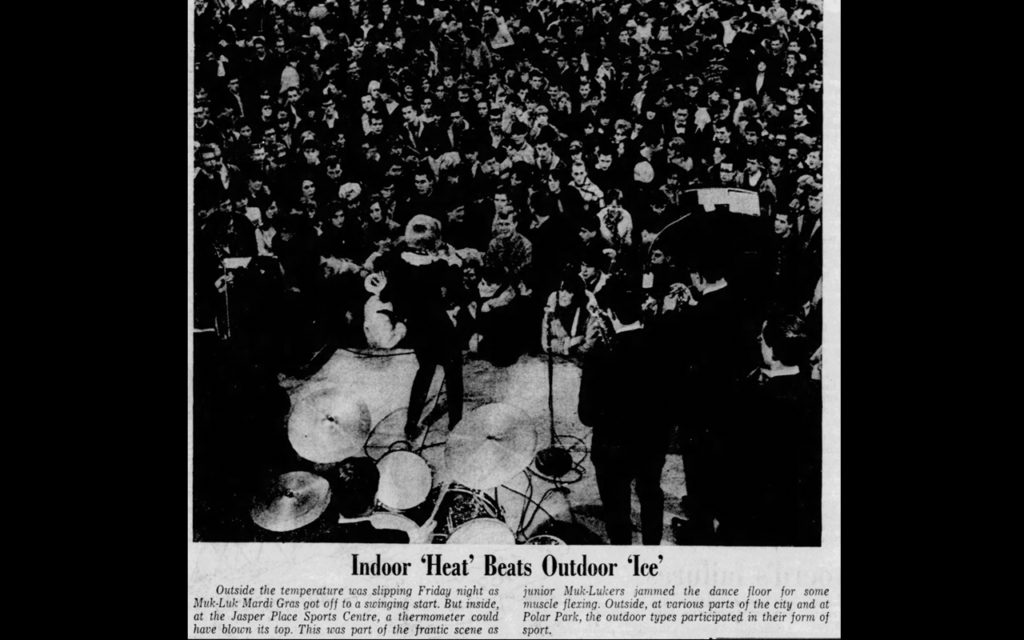
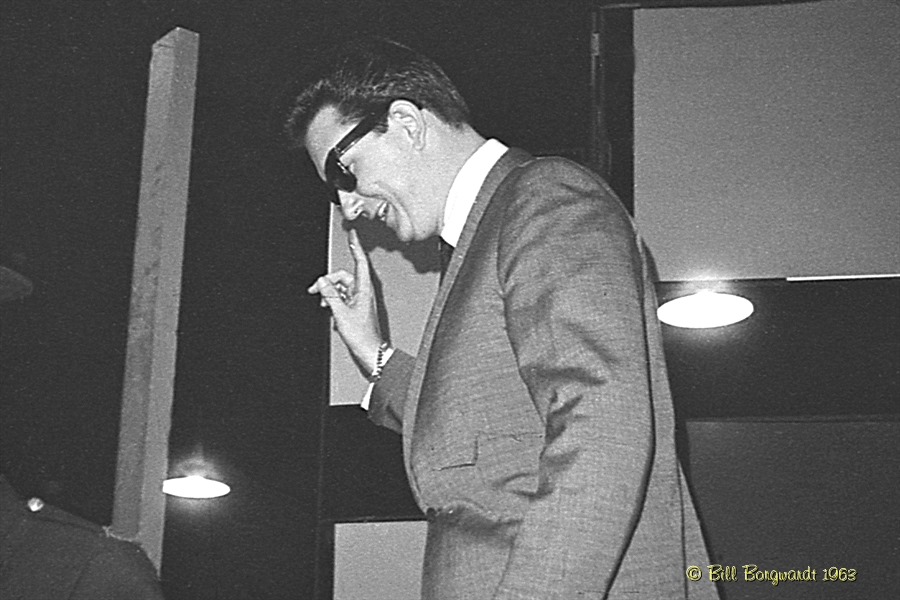
- Teens went to dances at school or concerts at Jasper Place Sports Centre, a state-of-the-art complex built in 1963.
Infrastructure Challenges
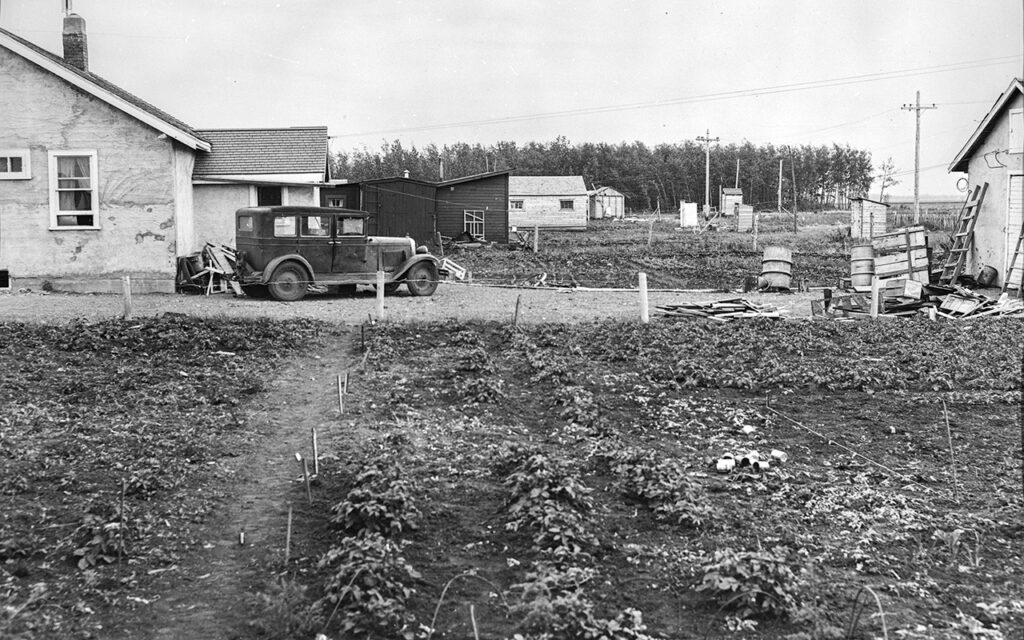
- Many families coped without running water and indoor plumbing before the Town sewer and water system was completed in the 1960s. Till then, the Davis truck delivered water from the City of Edmonton that residents stored in barrels on porches or in unfinished basements or crawl spaces. For bathroom facilities, people used outhouses.
Ken (Bud) Newman: “There was a porch at the back end that contained a great big water barrel that would get filled up by the Davis water truck. This was a big truck – what would be classified as a three-ton truck – with a large wooden barrel on the back, that serviced the west end of Edmonton, or Jasper Place. He would come every so often …. That was where we got our water from. We didn’t have plumbing in the place, so we had an outhouse.
Maxine Hébert: “Extra water for washing clothes and watering the garden was collected in rain barrels and in the winter we had all that nice clean snow to collect and melt in large wash tubs on the stove, and then carried down to the basement to the washing machine which at first was scrub board and then hung outside to dry.”
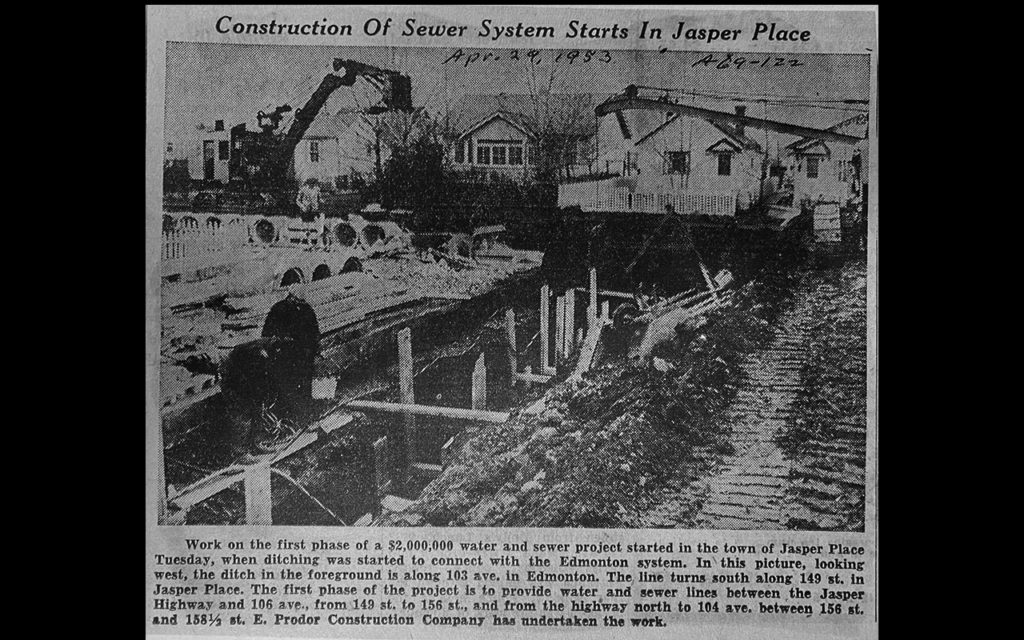
- They ploughed through the mud, and steered clear of the ditches…
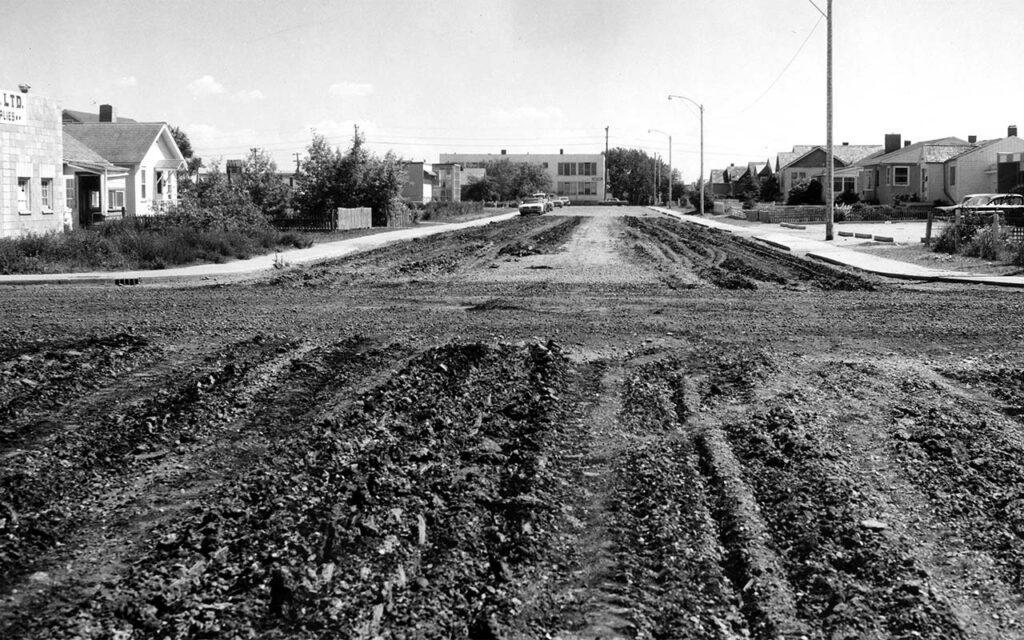
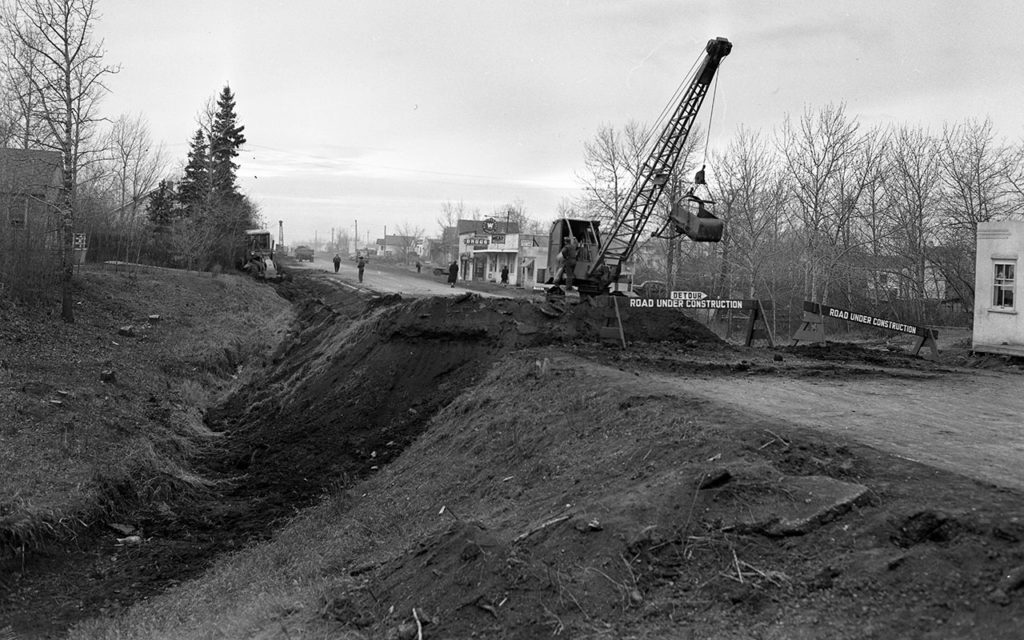
Maxine Hébert: “Life was good until it rained, then the street were a mess. We didn’t just have mud roads, we had pure gumbo. You could lose your rubber boots in that stuff.”
Ernie: “Other than Stony Plain Road all roads were gravel (hard clay with a sprinkling of stones). The true nature of the roads came through when it rained; they became slick and then rutted in clay.”
Joyce Smith: “[We lived in] an unfinished house on 163rd Street, and the roads were just horrible, the ditches were 6 feet deep; it was awful. The ditches were there to drain all the water. It was in the country then.”
Ken (Bud) Newman: “156th Street was a dirt road running north and south. It had very large ditches on either side because it didn’t have any storm sewers in the roads at the time.”
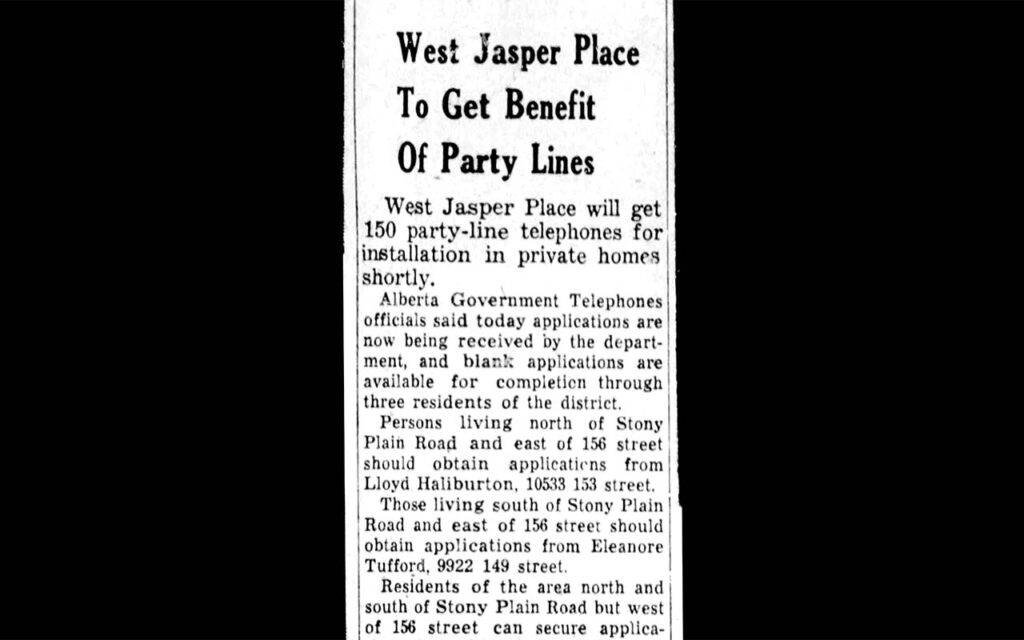
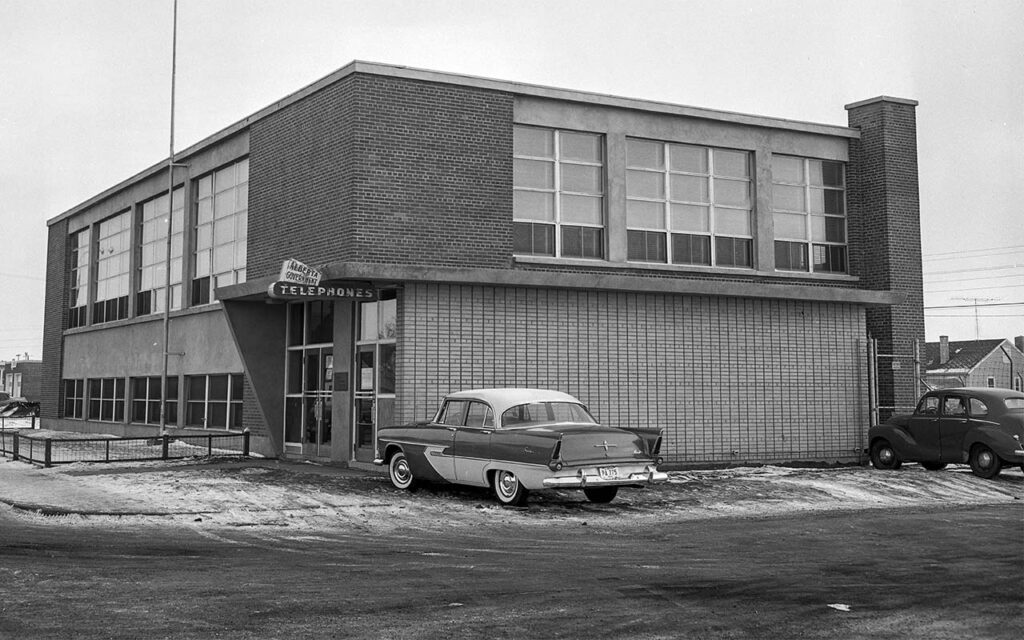
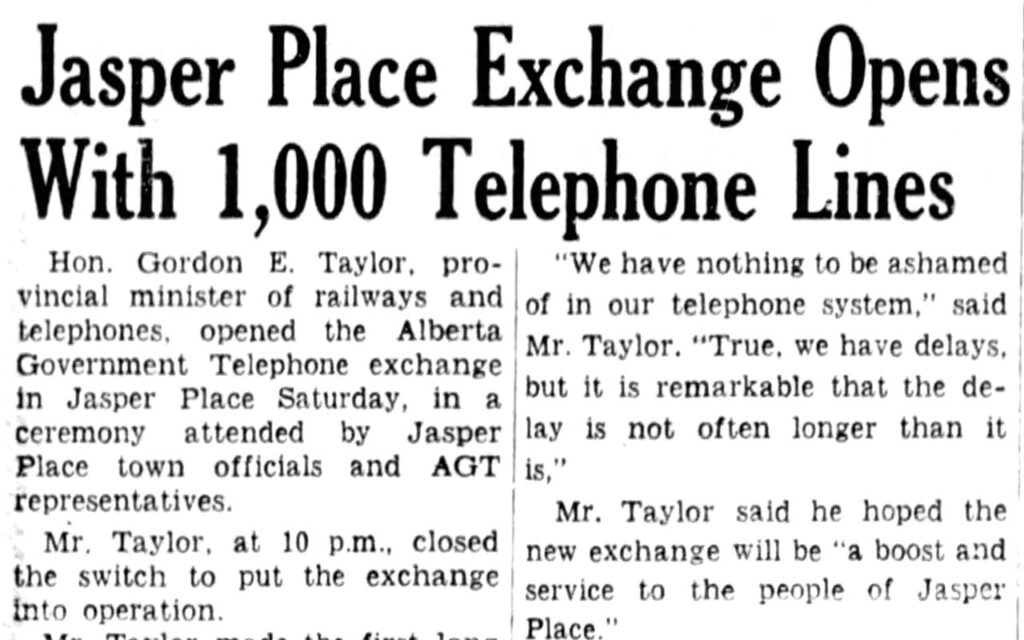
- Telephones in private homes came late and were on a party line.
Maxine Hébert: “We did not have a telephone for a few years, and when we did it was on a party line which we shared with 13 other families. Listening in on each other’s calls was great entertainment in those days, and everyone knew each other’s business, believe me.”
Banner concept by Colette Lebeuf, created by SignWorks Plus.